


Cot Bed Sales
Add a review FollowOverview
-
Founded Date November 29, 1958
-
Sectors Chief Engineer
-
Posted Jobs 0
-
Viewed 84
Company Description
Cots 101 A Complete Guide For Beginners
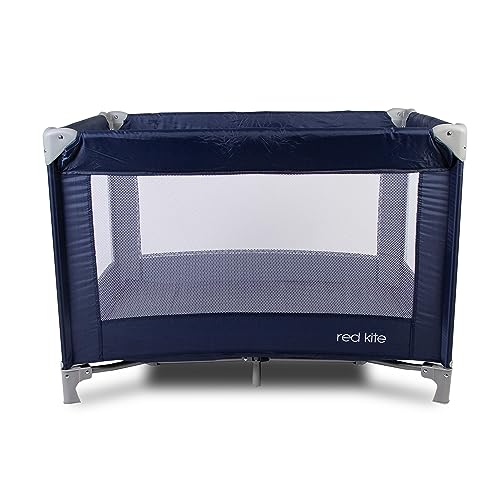
The Ultimate Guide to Cots: Choosing the Right One for Your Baby
When it concerns getting ready for a brand-new baby, among the most important purchases parents will make is a cot. A cot functions as a safe haven for your kid, providing a protected place to sleep, rest, and grow throughout those early months. Nevertheless, with a plethora of choices offered, browsing the world of cots can be frustrating. This guide aims to supply helpful insights into various kinds of cots, necessary features to think about, and answers to frequently asked questions.
Understanding Different Types of Cots
There are numerous types of cots readily available in the market, each created to accommodate different needs and choices. Here’s a breakdown of the most common types:
| Type of Cot | Description | Pros | Cons |
|---|---|---|---|
| Requirement Cot | A conventional cot created for newborns to young children, typically featuring fixed sides. | Sturdy and long lasting; often includes adjustable mattress heights. | Uses up more space; may not transform to other usages. |
| Convertible Cot | A cot that can alter into various configurations, cribs Beds such as a young child bed or a full-sized bed. | Long-lasting financial investment; grows with your child. | Typically more costly upfront. |
| Portable Cot | Lightweight and foldable, perfect for travel or small spaces. | Easy to keep and carry; fantastic for travel. | May not be as strong as standard cots; limited longevity. |
| Moses Basket | A small, portable basket for babies, developed for short-term use. | Light-weight and cozy for babies; easy to move your home. | Minimal life expectancy; typically only for the very first couple of months. |
| Cradle | A small bed that rocks gently, ideal for calming fussy babies. | Offers a relaxing environment; mobile alternative. | Not appropriate for older babies; limited usage. |
Secret Features to Look For
When picking a cot for your baby, security and functionality ought to be leading priorities. Here are some essential features to think about:
1. Safety Standards
- Guarantee that the cot fulfills the security standards set by companies such as the Consumer Product Safety Commission (CPSC) or the American Society for Testing and Materials (ASTM).
2. Adjustable Mattress Heights
- Cots featuring adjustable bed mattress heights permit you to lower the bed mattress as your child grows, making it more secure for older babies who can pull themselves up.
3. Material Quality
- Try to find cots made from solid wood or quality materials that are free from damaging contaminants, such as formaldehyde and lead paint.
4. Sturdy Construction
- A durable cot will hold up against the test of time, supplying security and security for your baby. Inspect for stability and ensure there are no sharp edges or loose screws.
5. Size and Space Considerations
- Measure the offered area in your nursery to make sure the cot fits comfortably. Consider whether you may need a portable alternative for travel or smaller spaces.
6. Reduce of Assembly
- Some cots can be challenging to put together. Look for user-friendly styles and check out customer evaluations for insight into the assembly process.
7. Rate Point
- Cots are available in a large range of prices. While it’s important to remain within budget, investing in a higher-quality cot can use comfort relating to security and resilience.
Browsing the Cot Buying Process
To make the cot-buying process simpler, consider following these steps:
Step 1: Research
- Spend time checking out reviews and comparing different types of cots. Sites like Consumer Reports and parenting blog sites can provide important insights.
Action 2: Create a Budget
- Identify just how much you are willing to invest in a cot. Remember that while higher-quality cots might cost more, they often use better security and longevity.
Action 3: Visit Showrooms
- If possible, visit stores to see the cots in individual. This permits you to test them out, examine the durability, and get a feel for the size.
Step 4: Ask About Return Policies
- Before making a purchase, ask about the shop’s return policy in case the cot does not satisfy your expectations or if you encounter any problems.
Step 5: Consider Future Needs
- Think of the length of time you plan to use the cot and whether you would like a convertible model that can grow with your child.
Regularly Asked Questions (FAQs)
Q1: What is the recommended age for utilizing a cot?
A: Cots are typically suggested for newborns as much as 3 years of ages, depending upon the type and building and construction of the cot. Constantly describe the maker’s guidelines.
Q2: What is the safest sleeping position for infants in a cot?
A: Infants should always be placed on their backs to sleep, with a company mattress and no soft bedding, pillows, or toys in the cot.
Q3: How do I preserve the cot for safety?
A: Mini Cotbed Regularly examine your cot for any loose screws, harmed parts, or wear and Small Cot Beds tear. Clean the cot according to the manufacturer’s directions to avoid harmful bacteria.
Q4: Can I use a pre-owned cot?
A: While pre-owned cots can be affordable, Online Cots guarantee they fulfill present security standards, as older models might not be certified. Look for recalls on second-hand items.
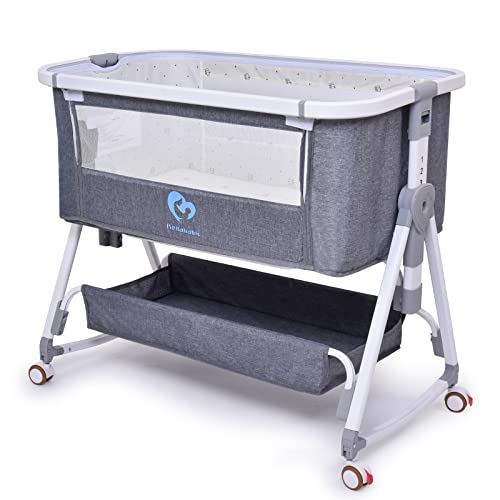
Q5: What mattress should I select for the cot?
A: A firm, flat bed mattress that fits comfortably within the cot is ideal. Make sure there are no spaces in between the mattress and cot edges to prevent suffocation risks.
Picking the best cot newborn cot for your baby is an essential decision that involves cautious factor to consider of safety, convenience, and future requirements. By comprehending the various kinds of cots, essential functions to look for, and navigating the purchasing procedure effectively, parents can make educated choices that will provide a safe and comfortable environment for their kids. Remember, buying a quality cot is not just about the present; it’s about developing a nurturing area for your kid’s growth and development.