


Cookerhood
Add a review FollowOverview
-
Founded Date February 23, 1950
-
Sectors Dock Master
-
Posted Jobs 0
-
Viewed 39
Company Description
Five Killer Quora Answers On Extractor Hoods For Kitchens
The Essential Guide to Extractor Hoods for Kitchens
When it pertains to producing a functional and pleasant cooking environment, extractor hoods are typically ignored. These home appliances play an important function in maintaining air quality by removing smoke, vapors, and undesirable smells that arise throughout cooking. This article will dig into the significance of extractor hoods, the different types available, necessary functions to consider, and provide handy FAQs to assist your choice procedure.
What Are Extractor Hoods?
extractor hoods for kitchens [https://techtransferhub.com/author/island-cooker-hoods8405] hoods, sometimes referred to as range hoods or kitchen hoods, are gadgets set up above cooking appliances. Their main function is to record smoke and grease particles generated while cooking. They also help to get rid of smells, guaranteeing that your kitchen stays fresh and clean.
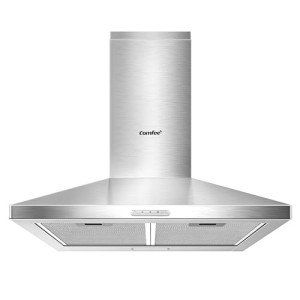
Table 1: Key Functions of Extractor Hoods
| Function | Description |
|---|---|
| Air Purification | Removes smoke, odors, and grease particle from the air |
| Ventilation | Circulates and refreshes indoor air quality |
| Temperature level Control | Assists regulate heat around cooking locations |
| Visual Appeal | Complements kitchen design and improves general looks |
Kinds Of Extractor Hoods
Extractor hoods come in numerous styles and types, each fit for specific kitchen styles and cooking needs. Understanding these types can assist you select the very best option for your home.
Table 2: Types of Extractor Hoods
| Type | Description | Pros | Cons |
|---|---|---|---|
| Wall-Mounted | Repaired to the wall above the stove, frequently utilized in open kitchens. | Space-saving, elegant, and efficient. | Needs adequate wall area. |
| Under-Cabinet | Set up under a cabinet, ideal for compact kitchens. | Discreet and space-efficient. | May be less powerful than other types. |
| Island | Placed above a cooking island, ideal for open-concept layouts. | Boosts kitchen aesthetics and performance. | More pricey and setup might be complicated. |
| Downdraft | Integrated into the cooktop and rises when required, exceptional for kitchens with restricted area. | Minimalist design and saves area. | Limited suction power compared to standard hoods. |
| Professional | Heavy-duty hoods created for commercial-grade ovens and stoves, ideal for severe home cooks. | Powerful ventilation and high performance. | Larger and may require professional setup. |
Necessary Features to Consider
When picking an extractor Hood Cooker, a number of functions ought to be examined to ensure you select a home appliance that fits your cooking habits and kitchen style.
List of Features to Consider
-
Ventilation Type: Choose between ducted or ductless systems based upon your kitchen’s design.
- Ducted Hoods: Vent air to the outside, supplying superior filtration.
- Ductless Hoods: Use filters to clean and recirculate air back into the kitchen, simpler to set up.
-
Air flow Capacity: Measured in CFM (cubic feet per minute), which shows the volume of air the hood can move. Go for a minimum of 300 CFM for effective ventilation.
-
Noise Level: Look for designs ranked in sones (a system of viewed loudness). A quieter operation (2-4 sones) is generally preferred, specifically in open areas.
-
Filter Type:
- Baffle Filters: Good for high temperature cooking; more long lasting and simpler to clean.
- Mesh Filters: Usually made from aluminum; efficient for light to medium cooking.
-
Control Options: Consider whether you ‘d prefer manual push buttons, touch controls, or wise features that incorporate with home systems.
-
Lighting: Built-in lights are necessary for visibility while cooking; LED choices are energy-efficient and long-lasting.
Table 3: Common Features Breakdown
| Function | Ducted | Ductless |
|---|---|---|
| Air flow Capacity | High (400+ CFM) | Varies (typically lower) |
| Filtration | Mostly baffle | Charcoal or aluminum mesh |
| Installation | More intricate | Generally easier |
| Sound Level | Quieter alternatives exist | Can be noisier due to limited designs |
| Cost | Higher initial expense | More budget friendly options frequently readily available |
Benefits of Using an Extractor Hood
The advantages of installing an extractor hood extend beyond simply getting rid of unpleasant odors; they substantially effect health and cooking efficiency.
- Improved Air Quality: Reduces pollutants, Modern Kitchen Extractor Fan offering a healthier cooking atmosphere.
- Odor Control: Eliminates lingering smells, permitting an enjoyable kitchen experience.
- Fire Safety: Limits the threat of grease fires by removing flammable particles from the air.
- Boosted Cooking Visibility: Bright lighting improves visibility when cooking.
- Elegant Addition: Complements kitchen design and boosts total visual appeal.
Frequently Asked Questions (FAQs)
1. How do I figure out the right size extractor hood for my kitchen?
Step your stove width and pick a hood that is at least 3 inches broader than your cooktop. Likewise, think about the height from the cooktop to the bottom of the hood (30-36 inches for best efficiency).
2. Are ducted hoods much better than ductless hoods?
Yes, ducted hoods typically provide more reliable odor and smoke removal given that they vent air outside. Ductless hoods are much easier to install but might require frequent filter changes to keep efficiency.
3. How typically should I clean up the filters?
Tidy baffle filters every 3-4 months and change or tidy mesh filters based on the manufacturer’s recommendations, usually every 1-2 months.
4. Do I need to work with a professional for installation?
For ducted Oven Hoods, professional setup is frequently advised, specifically if substantial ductwork is included. Ductless hoods are normally more straightforward and can typically be DIY-installed.
5. What is the most energy-efficient alternative?
Search for hoods with LED lighting and Energy Star-rated models that utilize less energy without compromising performance.
Choosing the right extractor hood for your kitchen is vital for maintaining air quality, security, and aesthetic appeals. By understanding the various types and functions of extractor hoods, property owners can make an educated choice that best suits their cooking practices and kitchen design. Whether you’re a periodic cook or a cooking enthusiast, installing a quality Hob Extractor hood is a substantial step towards producing a more pleasurable kitchen environment.